Understanding the Procedures Involved in Aluminum Casting for High-Quality Manufacturing
The aluminum casting process is a facility yet essential procedure for accomplishing premium production. It includes a number of phases, including mold and mildew preparation, melting, putting, and air conditioning. Each action calls for careful focus to information to stay clear of flaws and guarantee consistency. Understanding these procedures can greatly affect the end product's stability. As one checks out the nuances of mold selection and air conditioning strategies, the significance of each facet ends up being increasingly clear. What elements absolutely determine success in this complex procedure?
The Aluminum Casting Process Review
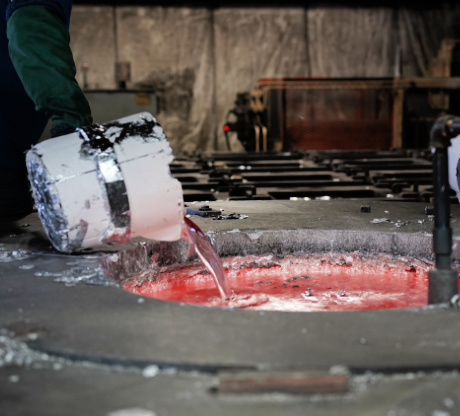
The aluminum casting process is an extensively made use of manufacturing technique that transforms molten aluminum into numerous forms and parts. This process begins by heating up aluminum until it reaches a fluid state, enabling it to flow quickly right into mold and mildews. Depending on the desired output, various casting approaches can be employed, including sand casting, pass away casting, and financial investment casting. Each approach has its distinct benefits and applications, influencing factors such as production quantity, dimensional precision, and surface area coating.
Once the aluminum is poured right into the mold, it cools down and solidifies, handling the form of the dental caries. After cooling down, the actors piece is eliminated from the mold, commonly calling for added processes like trimming, machining, or surface therapy to achieve the final specs. In general, the aluminum casting process is crucial in producing intricate and resilient elements for numerous industries, including vehicle, aerospace, and customer goods.
Preparing the Mold for Casting
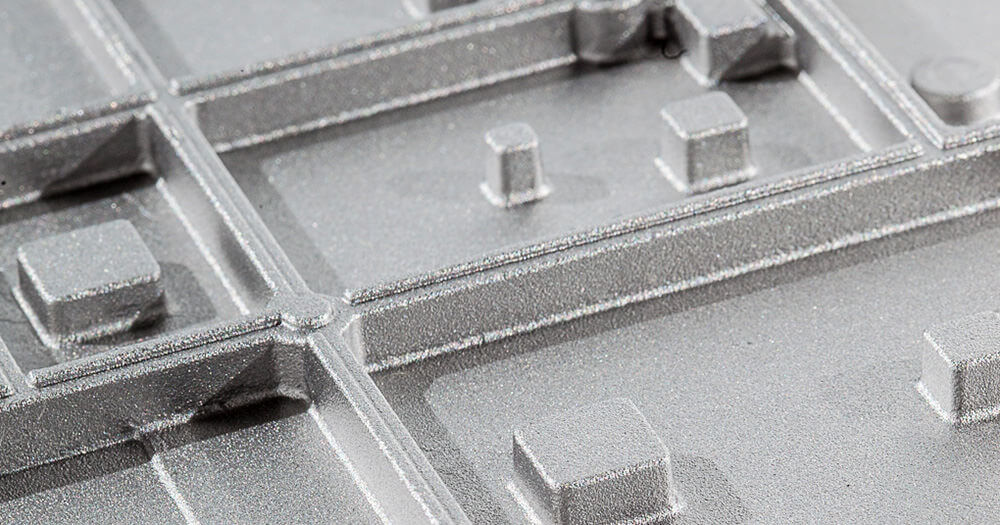
Mindful preparation likewise involves cleaning the mold to eliminate any type of impurities that might affect the casting process. An extensive examination guarantees that all parts mesh appropriately, protecting against imbalances during pouring. Furthermore, using a release representative can assist relieve the elimination of the completed item.
Ultimately, meticulous attention to detail during mold and mildew preparation establishes the structure for an effective casting operation, affecting variables such as dimensional accuracy and surface high quality of the aluminum elements created.
Putting and melting Aluminum
Efficient melting and pouring of aluminum is crucial for achieving top notch castings. The process starts by choosing the appropriate heating system, which ought to offer reliable warm transfer and keep constant temperature levels. Various types of heaters, such as induction or crucible heating systems, can be made use of based on manufacturing demands and quantity.
The aluminum needs to be heated up to its melting factor, generally around 660 degrees Celsius (1220 degrees Fahrenheit), while making sure very little oxidation and contamination. To boost quality, additives may be introduced to boost fluidity and decrease contaminations. Once fully melted, the aluminum should be held at a secure temperature level before putting.
Pouring calls for accuracy to prevent defects such as air pockets or inclusions. The use of putting ladles and regulated pouring strategies adds to a smooth flow into the mold. Appropriate implementation of these actions is essential for generating spreadings with maximum architectural honesty and surface area coating.
Cooling and Solidification Methods
After putting, the cooling and solidification of aluminum play a vital function in identifying the last residential properties of the casting (aluminum casting). Visit Your URL Reliable air conditioning techniques straight affect the microstructure, mechanical homes, and dimensional precision of the last product. Usual techniques include forced air cooling and water spray, which promote consistent temperature distribution and reduce thermal gradients
The solidification procedure starts as the molten aluminum sheds warm, shifting from liquid to solid. The rate of cooling down affects grain size; slower Visit Website air conditioning can result in bigger grains, potentially minimizing toughness. In addition, the usage of cools-- metal inserts that absorb heat-- can improve cooling rates in details areas, improving total honesty.
Controlled cooling down systems are frequently carried out to attain preferred residential properties, such as improved ductility or stamina, by taking care of the air conditioning contour. Proper methods guarantee trusted aluminum spreadings that satisfy rigid market requirements.
Finishing and High Quality Control Steps
Ending up and quality control procedures are necessary to guarantee that aluminum spreadings satisfy the called for specs and performance criteria. After the casting procedure, parts go through various ending up operations, including machining, grinding, and sprucing up. These procedures boost surface area quality, dimensional precision, and total aesthetic appeals.
Quality assurance procedures play a pivotal role in guaranteeing item honesty. Assessment techniques such as visual assessments, dimensional checks, and non-destructive screening are used to identify flaws like porosity, surface abnormalities, or dimensional errors. In addition, comprehensive documentation of each stage of production helps trace any kind of concerns back to their source, making it possible for constant improvement.
Employing analytical procedure control (copyright) further guarantees that manufacturing processes stay within specified restrictions, improving uniformity and reliability. By incorporating completing techniques and strict quality assurance measures, suppliers can accomplish high-quality aluminum castings that satisfy both sector criteria and client expectations.
Often Asked Questions
What Sorts Of Aluminum Alloys Are Finest for Casting?
The very best aluminum alloys for casting consist of 319, 356, and 413, known for their superb fluidity, deterioration resistance, and strength - Aluminum Foundry. These alloys are commonly utilized in auto, aerospace, and different commercial applications for sturdy components
Just How Does Temperature Level Affect Aluminum Casting Quality?
Temperature considerably influences aluminum Discover More casting high quality; higher temperature levels can improve fluidness but may cause oxidation, while reduced temperature levels boost information however rise viscosity. Achieving excellent temperature levels is vital for stabilizing these opposing results throughout casting.
What Prevail Issues in Aluminum Castings?
Common problems in aluminum castings include porosity, shrinking, incorporations, cold shuts, and surface area roughness. These concerns arise from aspects such as improper temperature level control, contamination, and poor mold design, impacting the last item's integrity and performance.
Can Aluminum Casting Be Reused?
How Does Aluminum Casting Compare to Various Other Production Approaches?
Aluminum casting deals remarkable style adaptability and material efficiency contrasted to techniques like forging or machining. aluminum casting. Its ability to create elaborate shapes decreases waste, boosting total production effectiveness while maintaining premium criteria in completed products
The aluminum casting procedure is a facility yet necessary treatment for accomplishing high-grade manufacturing. The aluminum casting process is an extensively made use of production method that transforms molten aluminum into various forms and parts. Preparing the mold for casting is a crucial action that straight influences the quality of the final aluminum item. Completing and high quality control steps are crucial to ensure that aluminum spreadings fulfill the needed requirements and efficiency standards. Temperature level considerably affects aluminum casting top quality; greater temperature levels can improve fluidness yet may lead to oxidation, while reduced temperature levels improve detail yet increase thickness.